The Answer Is Blowin’ In The Wind:
Vignettes of Mae Sot, Thai-Burma Border.
How many times can a man turn his head and pretend that he just doesn't see?
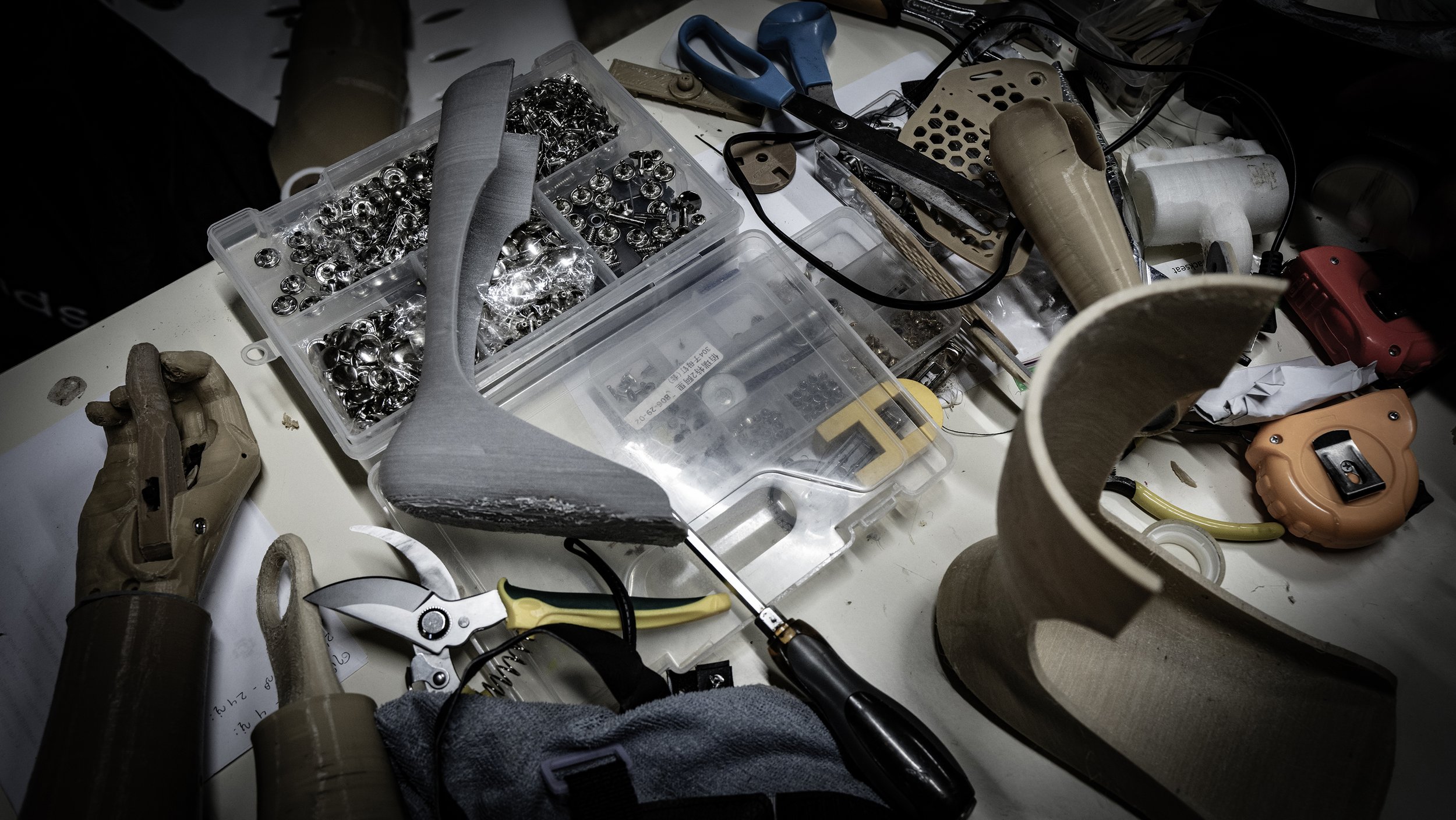
For most Australians, death comes quietly. But living on the border of Thailand and Myanmar, I learned there are other ways to die: stepping on a landmine, getting caught in crossfire, being bombed in your village, or succumbing to malaria, dengue, tuberculosis, or malnutrition. Many Australians will never have to face military checkpoints, arbitrary arrest, rape, homes burned to the ground, crops destroyed, or imprisonment for speaking out.
The people of Burma have lived under military domination since the end of the Second World War, and there is nothing legitimate about it. The civil war that continues today is the world’s longest ongoing conflict — a war that has endured for almost eighty years, largely forgotten, ignored, and underreported by the outside world.
February 1, 2026 marked five years since the eruption of full-scale civil war following the 2021 military coup. In those five years, an estimated 90,000 people have been killed and more than 3.6 million displaced — half of them children. Burma now holds the grim distinction of being the deadliest country in the world for landmines. The war has left nearly half of the country’s 55 million people in need of humanitarian assistance. Yet with limited media access within the country and a Western-centric world often preoccupied with other conflicts, the crisis receives little more than passing attention.
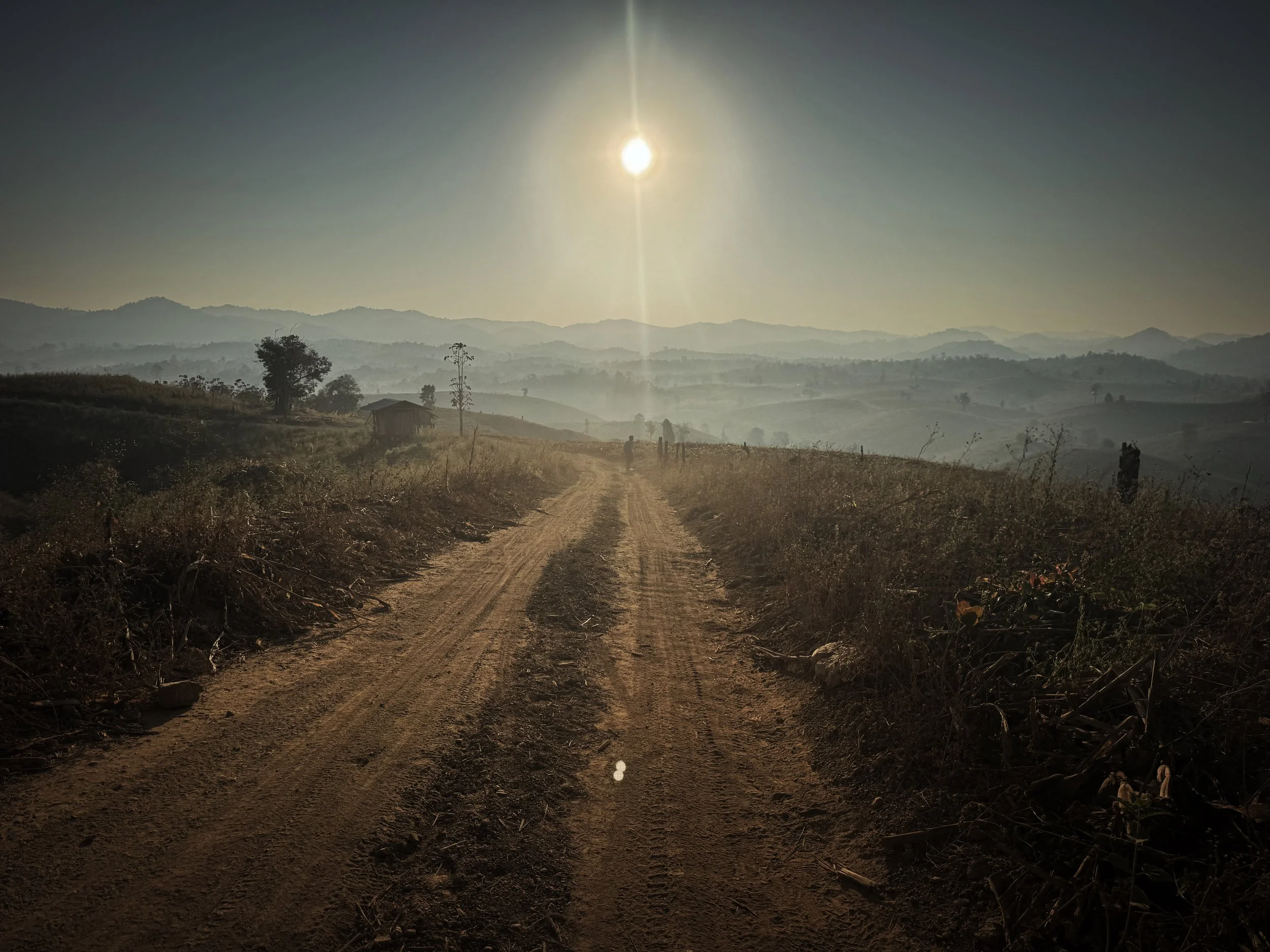
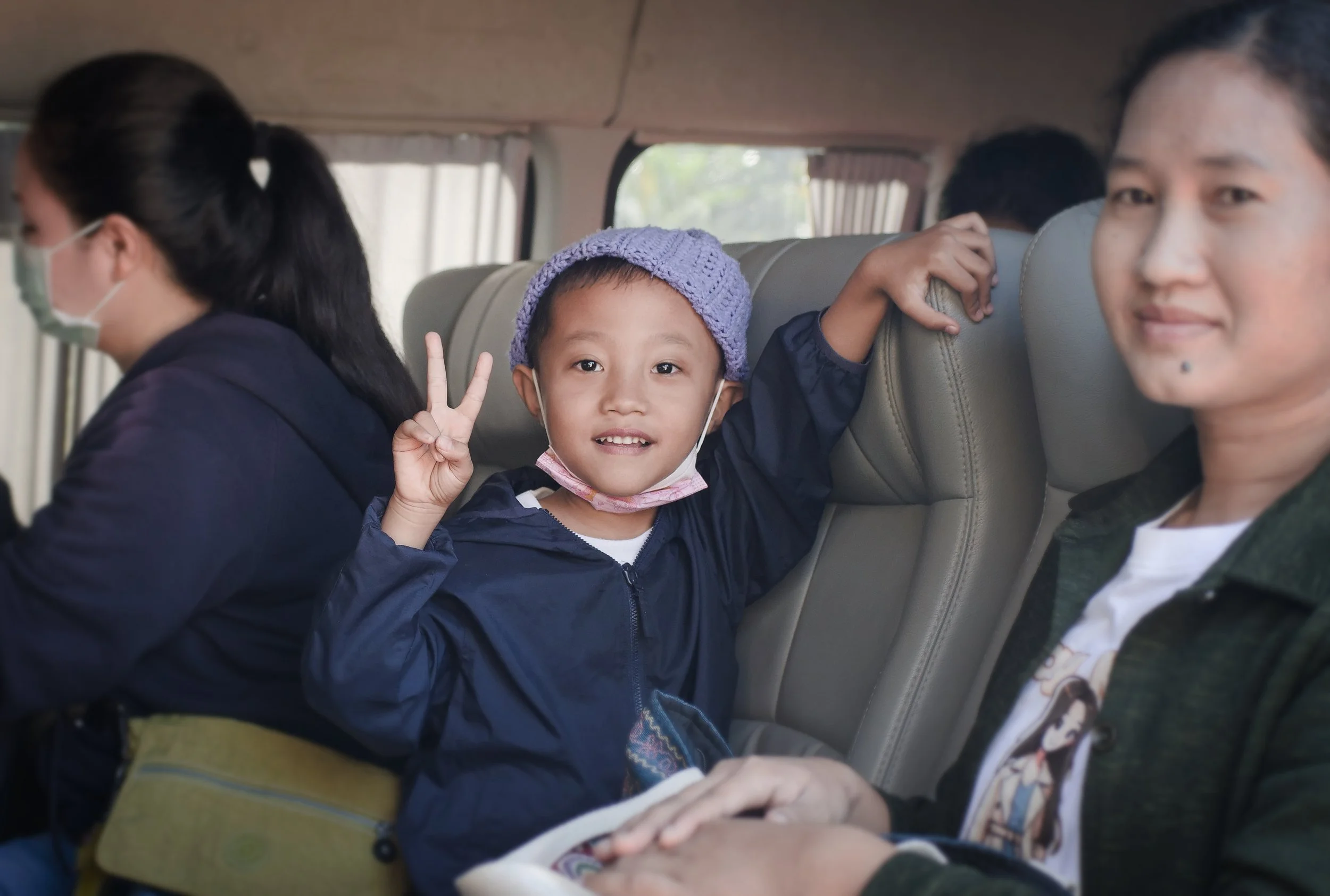
With homes and villages burned to the ground and the constant threat of violence from the military, millions of ordinary Myanmar citizens have little choice but to flee. Many take their chances crossing the border into Thailand, seeking refuge in towns such as Mae Sot or in nearby camps like Mae La.
While Western governments denounce the military regime, engagement with the opposition forces fighting it has been limited. At the same time, cuts to foreign aid and tightening visa protections for Burmese nationals have compounded the hardships faced by those already displaced. In refugee camps along the Thai border, suicides are rising, medical care is scarce, and families struggle to survive. Here, the consequences of distant political decisions become painfully immediate.
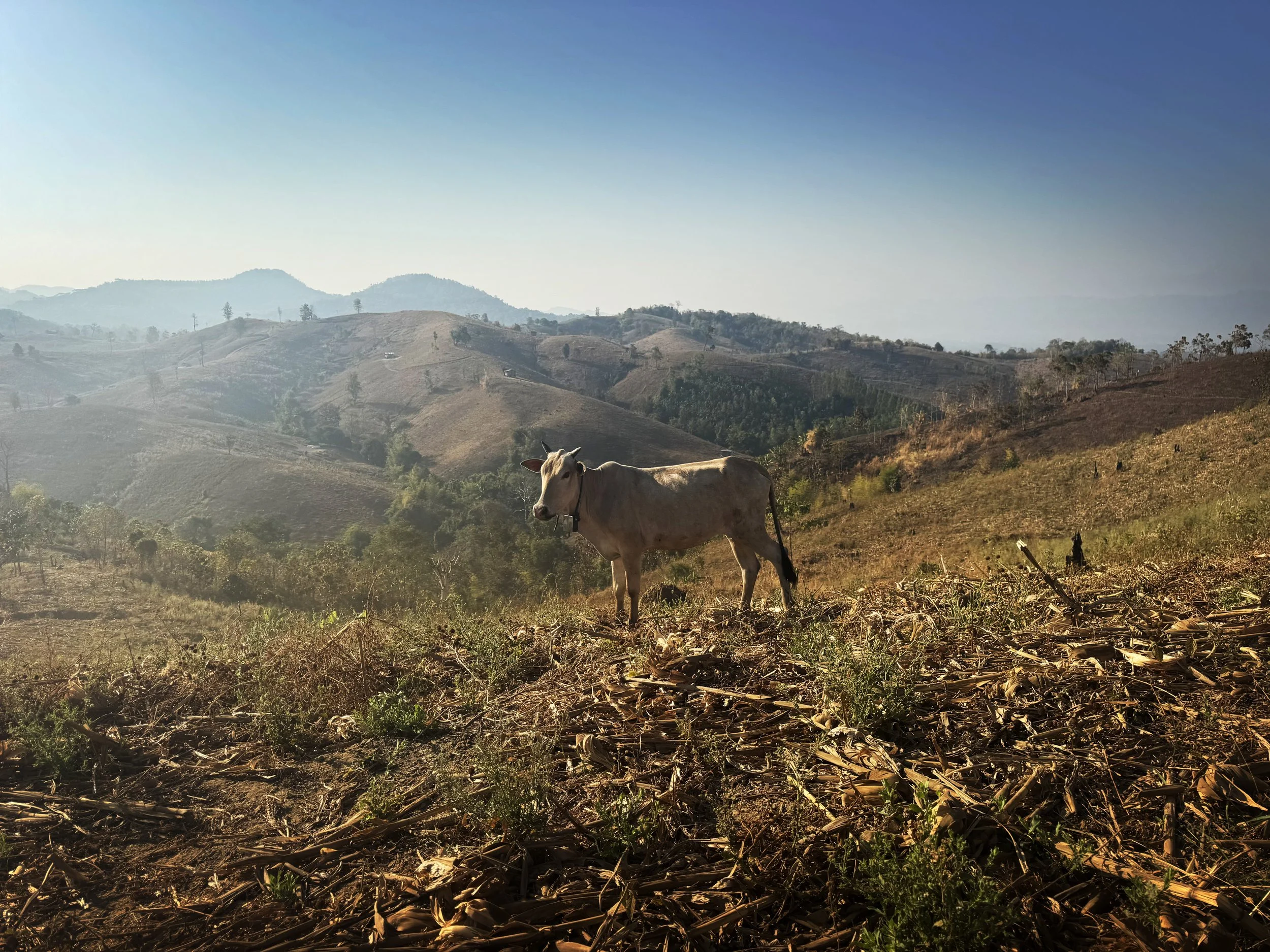
I spent three months living in the bustling border town of Mae Sot. It sits along the Moei River, a narrow stretch of muddy water that separates Thailand from Burma. Across this river, thousands have fled since the 2021 coup — and for decades before it — seeking some measure of safety within Mae Sot’s limits.
During my time there, I worked with the Burma Children Medical Fund, an NGO supporting underserved communities inside Burma and along its borders. Through this work, I met political prisoners, defected soldiers, doctors, and displaced families — people who had been forced to rebuild their lives in exile because returning home meant returning to villages reduced to ash, and the ever-present risk of death at the hands of the military.
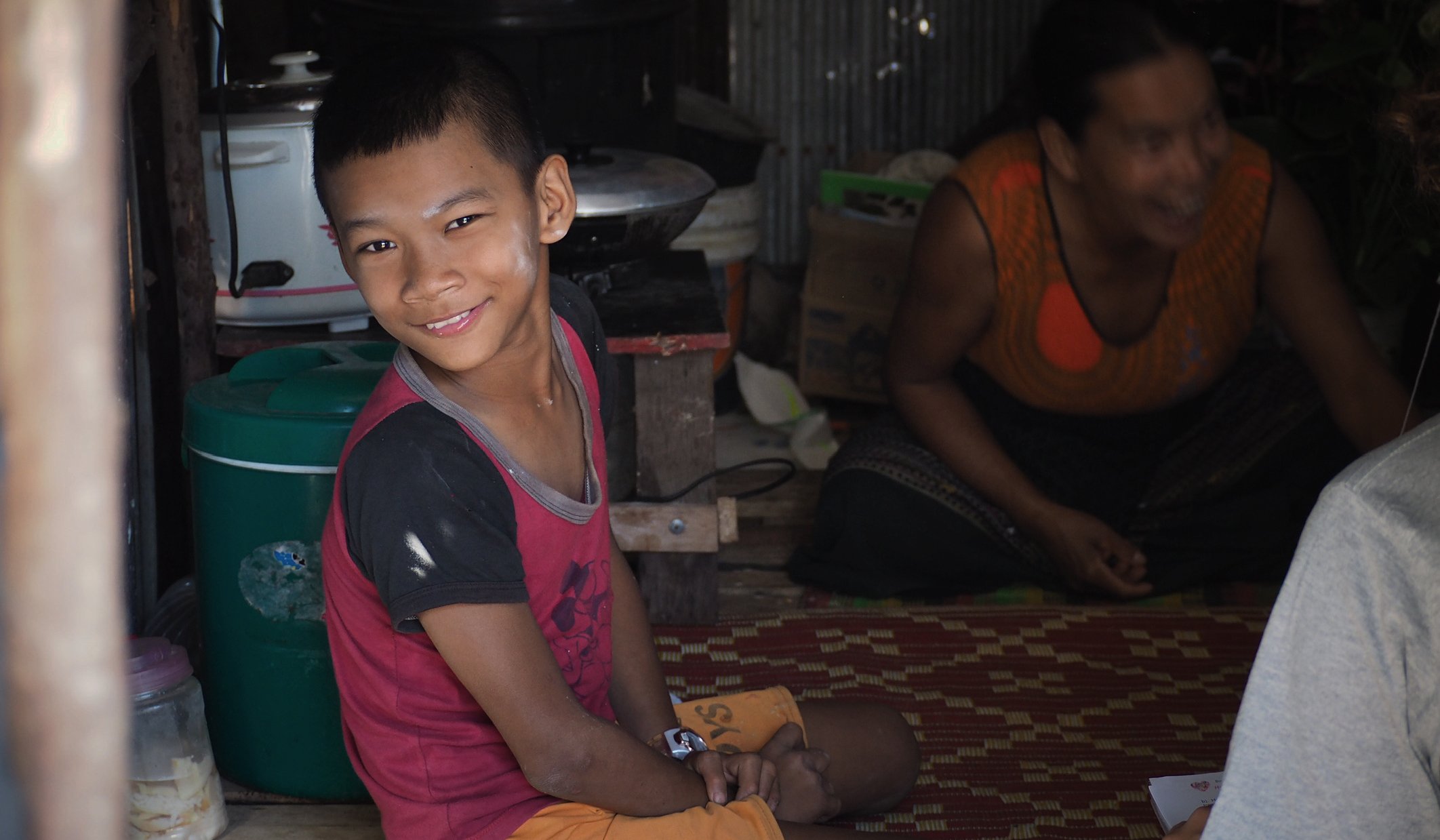
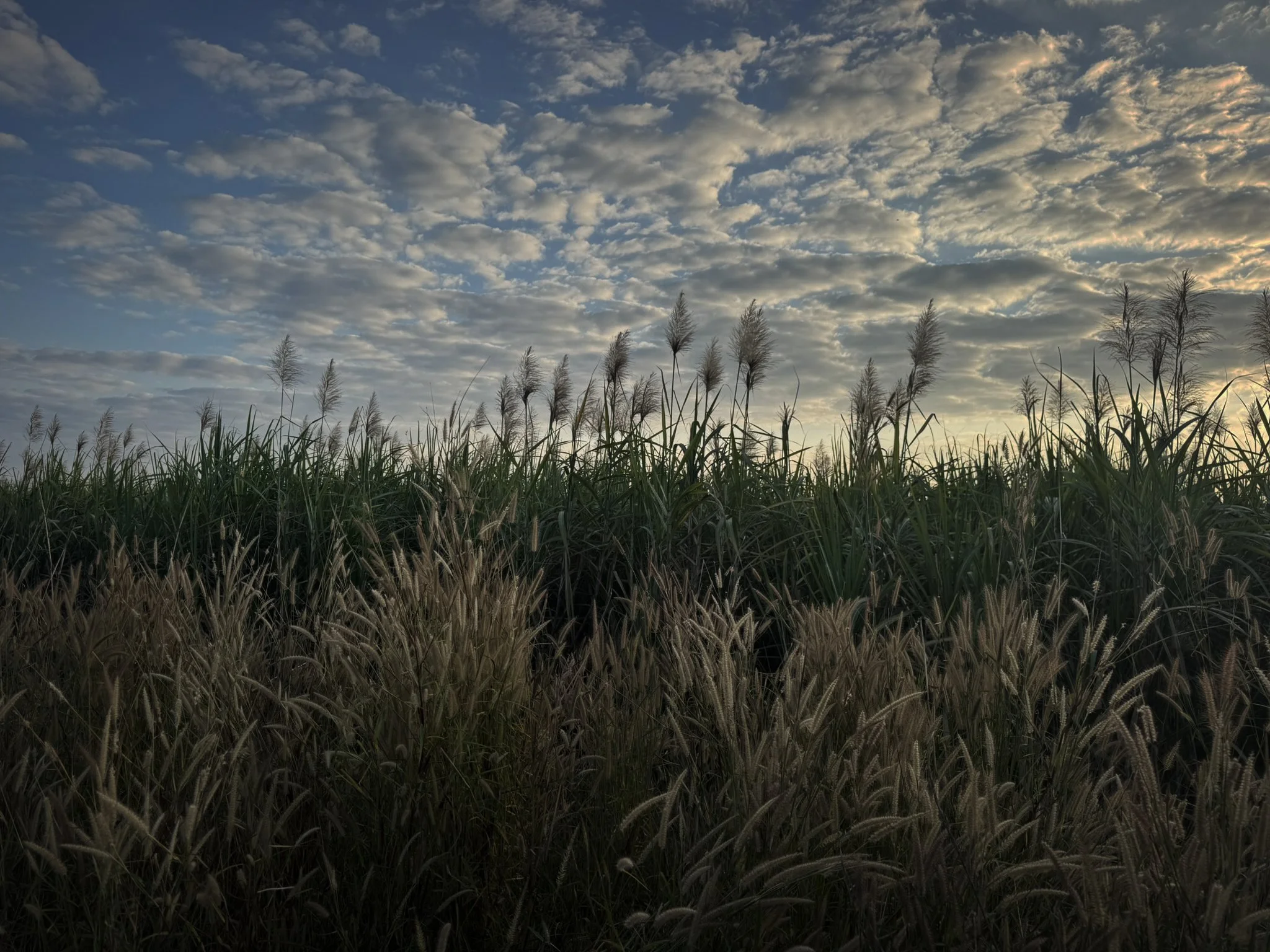
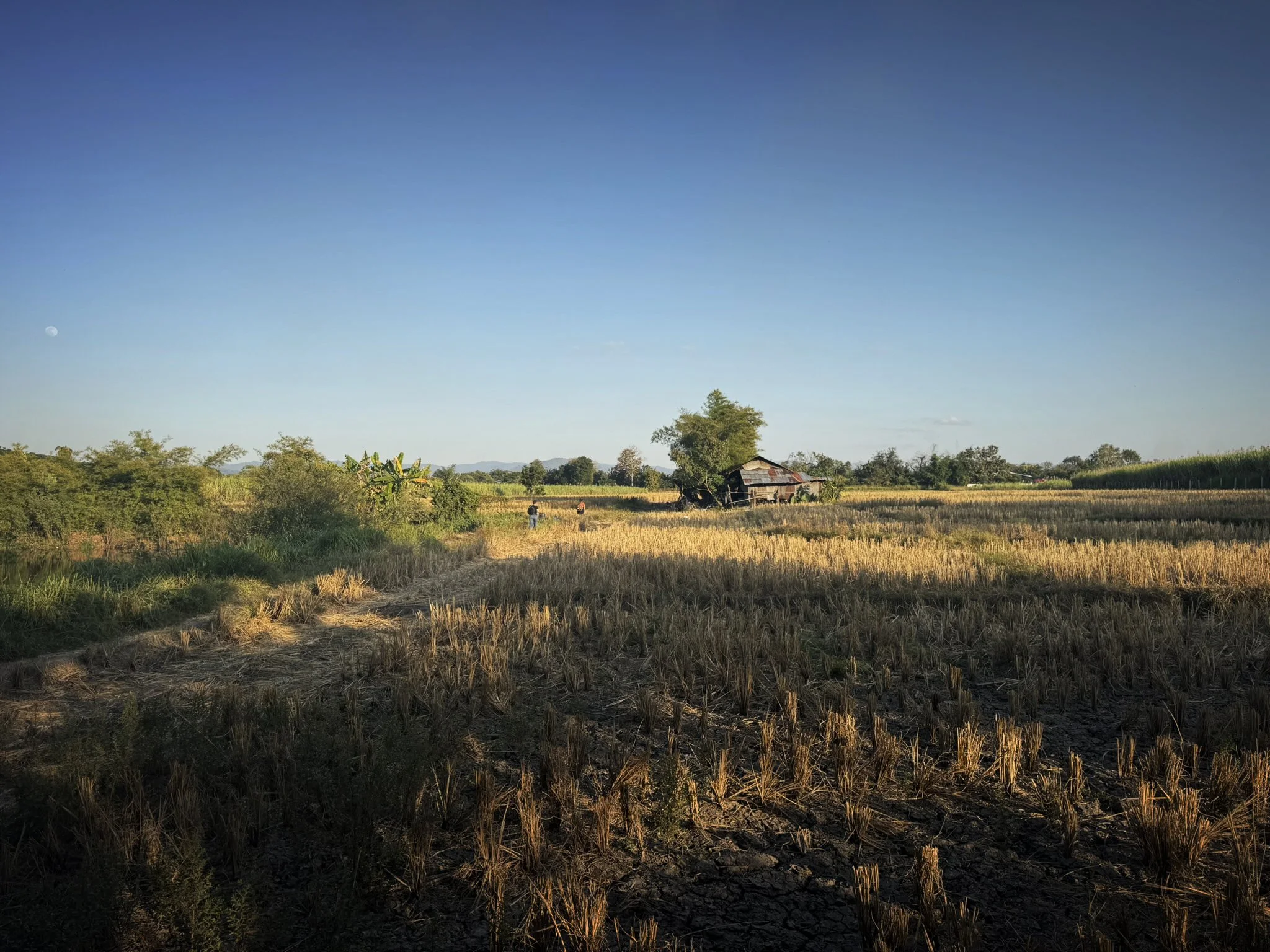
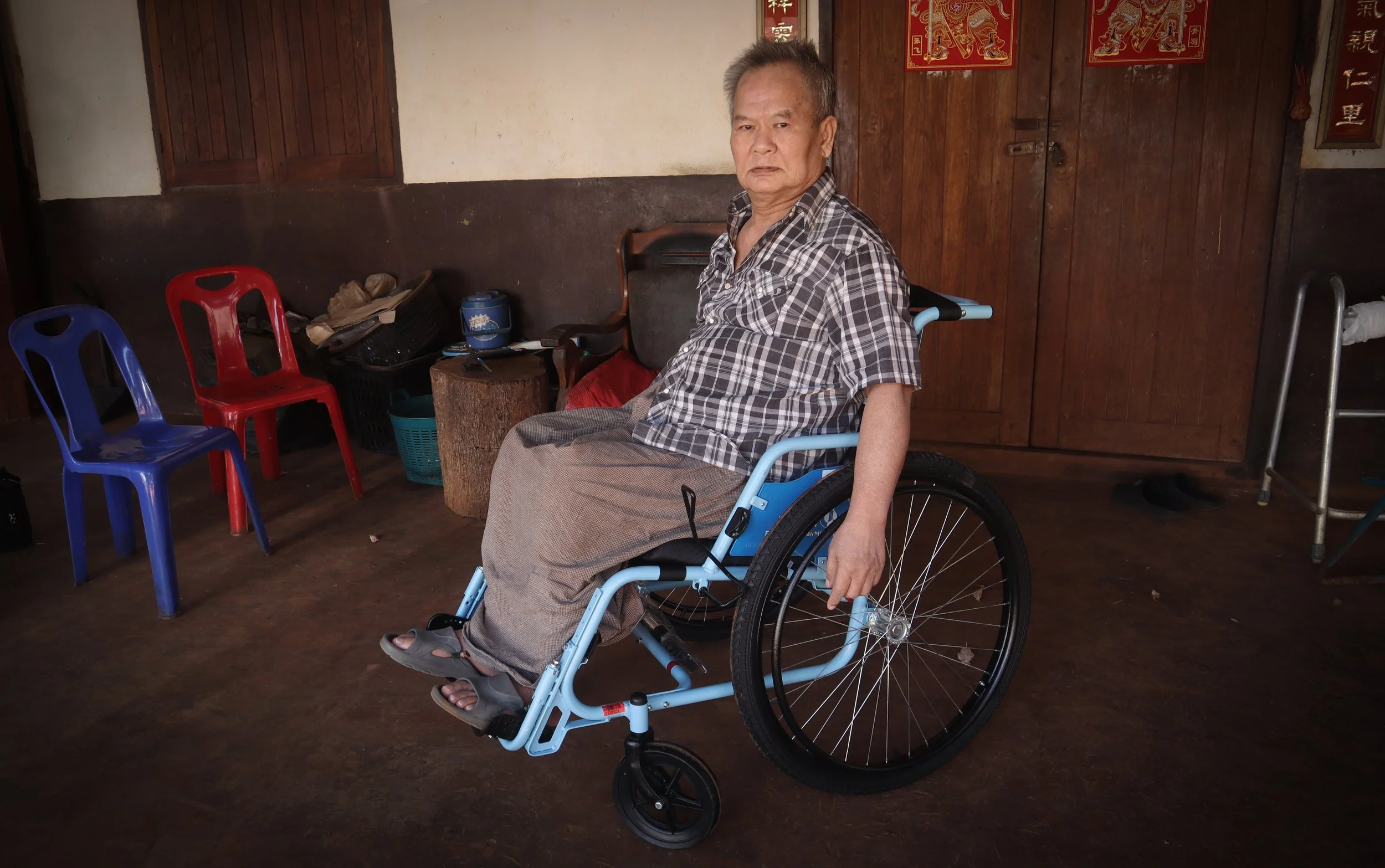
Those three months became a crash course in the realities of conflict.
Witnessing such suffering — such systemic deprivation and relentless brutality — forces a kind of reckoning. I often found myself thinking about my own life as a footnote to the things that truly matter.
My time in Mae Sot brought me into contact with people and places that any journalist would consider extraordinary. Bob Dylan became the soundtrack to much of that time, and somewhere along the way this experience pushed me toward trying journalism myself. It also served as a harsh reminder that reporting on violence and injustice is never neutral. The media decides which stories are amplified and which are left in silence.
The people I was meeting carried stories the world needed to hear. Yet so often, we never hear them.
So I decided to quietly document my time.
My hope is that in sharing these vignettes of Mae Sot and its people, even one reader might begin to pay attention.
The struggle for freedom and human rights in Burma requires the world to care enough to act — to pressure the military regime, to demand the release of political prisoners, and to support those fighting for the country’s future.
Without storytelling, the world rarely notices suffering beyond its borders.
So as you read these stories, I ask only one thing… Don't take your luck in this world for granted. If you have the privilege of giving and learning, don't turn away.
Story and Photos Evie Jones.