Waking from the Grave: Survival on the Frontlines of Myanmar’s Resistance
Tun’s family and friends thought he was dead.
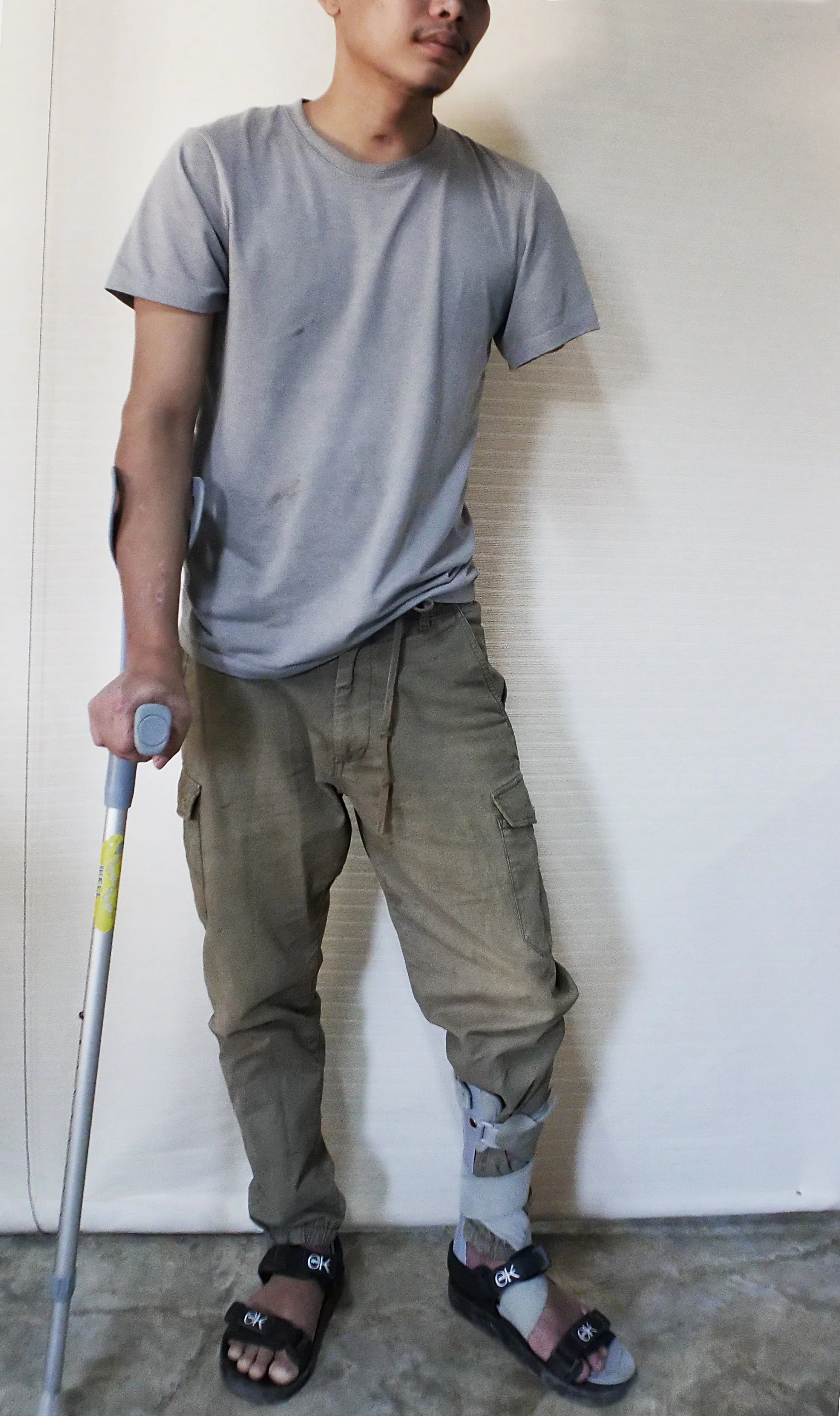
“Somehow, I just woke up. Next to a freshly dug grave. It was some sort of fate,” says the 27-year-old law student turned resistance fighter, sitting in a wheelchair as he waits to receive a new prosthetic arm and a protective skull implant.
Since Myanmar’s 2021 military coup, Tun’s world has been turned upside down.
“I was alive, but I never imagined ending up like this.”
He recounts the death and destruction he has witnessed since joining Myanmar’s resistance, and how he found himself fighting in Karen State with little military training when a mortar exploded nearby.
“I just felt a massive blow to my head. I was still conscious,” he says. “When I reached to feel my head, I realised my arm was missing.”
Tun was rushed to a frontline clinic and then to a field hospital with severe blood loss, a missing arm, and nearly a third of his skull gone. He fell into a coma for more than three weeks.
“Everyone thought that was the end,” he says quietly. “My family and friends had prepared my funeral. And then I woke up.”
Scattered throughout the ageing wooden neighbourhoods of Mae Sot, Thailand, are discreet safe houses sheltering wounded fighters from Myanmar’s revolution.
In December 2025, I visited one such house, home to nearly 35 soldiers. It is one of many along the Thai-Myanmar border where young men from the People’s Defence Force (PDF) and various ethnic armed groups recover from war wounds.
Many have been injured by landmines, rocket-propelled grenades, sniper fire and airstrikes. Some are burned by bombs dropped from warplanes; others carry deep scars from shrapnel.
Unable to return to the battlefield — and often unable to return home for fear of violent reprisal from Myanmar’s military — these houses become lifelines.
But they exist on borrowed time.
If Thai police or military discover them, raids can follow swiftly. Fines, deportation and closure are constant threats.
Just five years ago, many of these men had never imagined holding a weapon.
They were studying to become lawyers, teachers, farmers and business owners. Some had never travelled far from their villages. All of that changed after the 2021 coup.
Inside the safe house, life appears strangely ordinary.
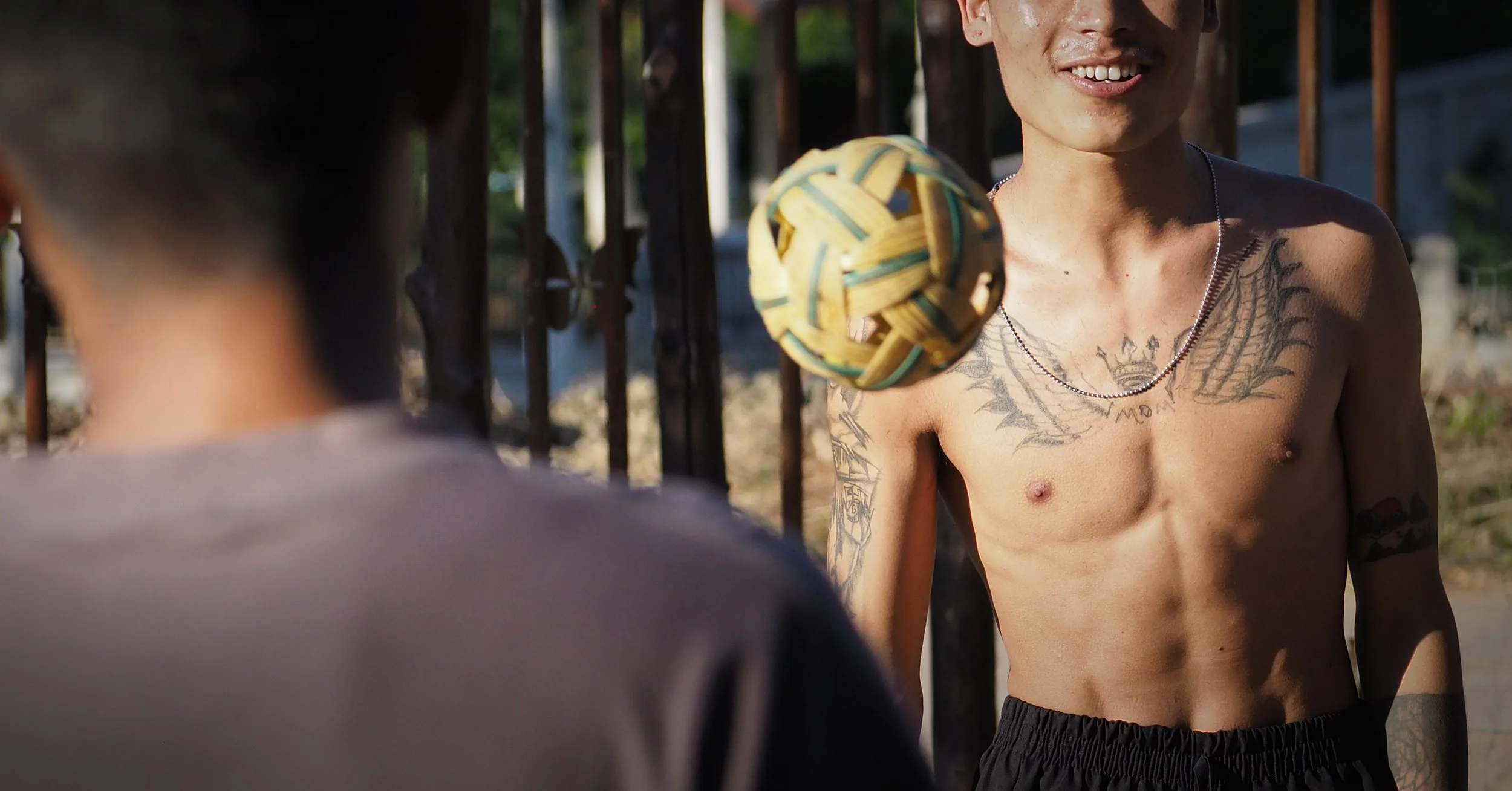
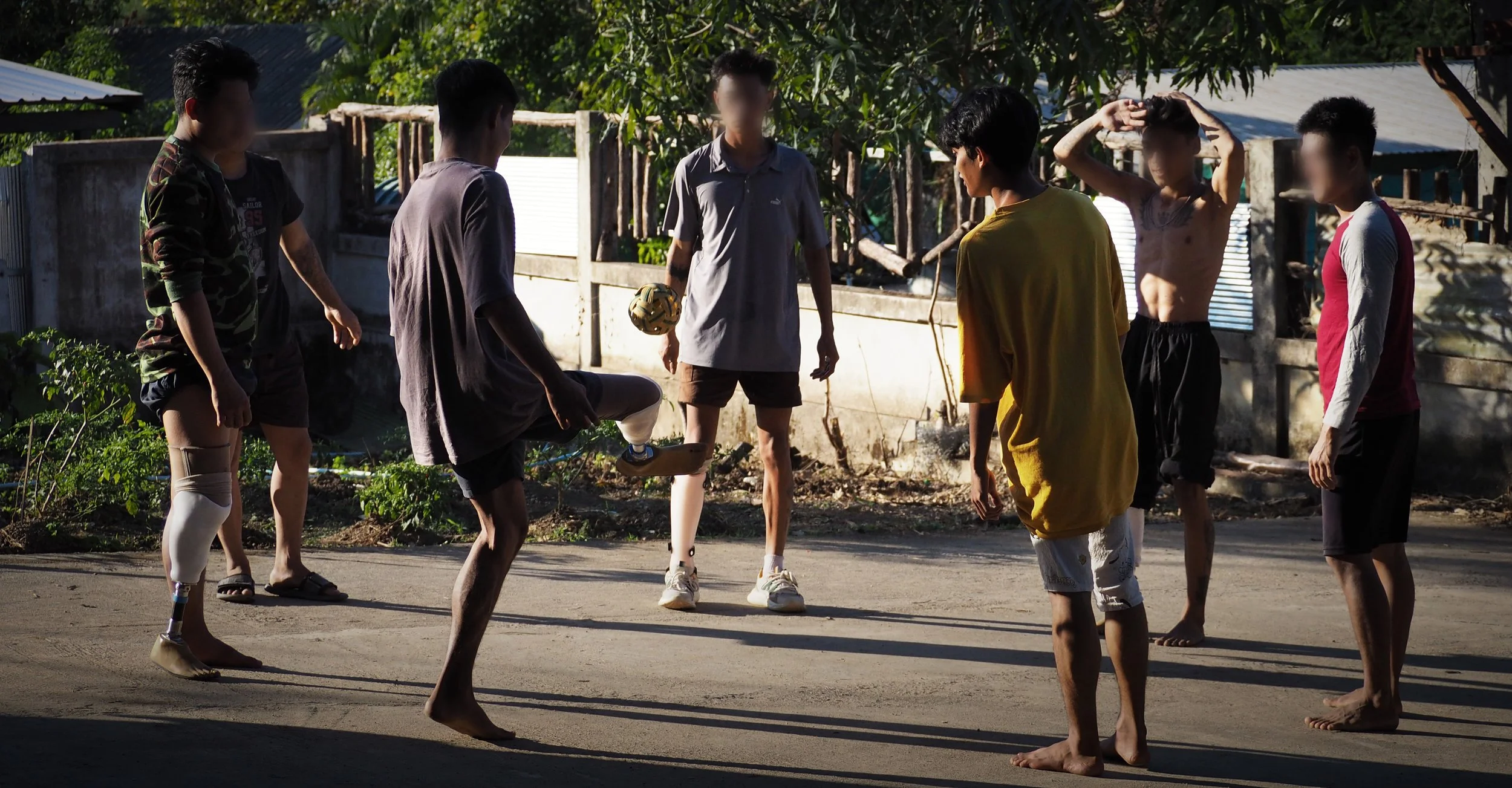
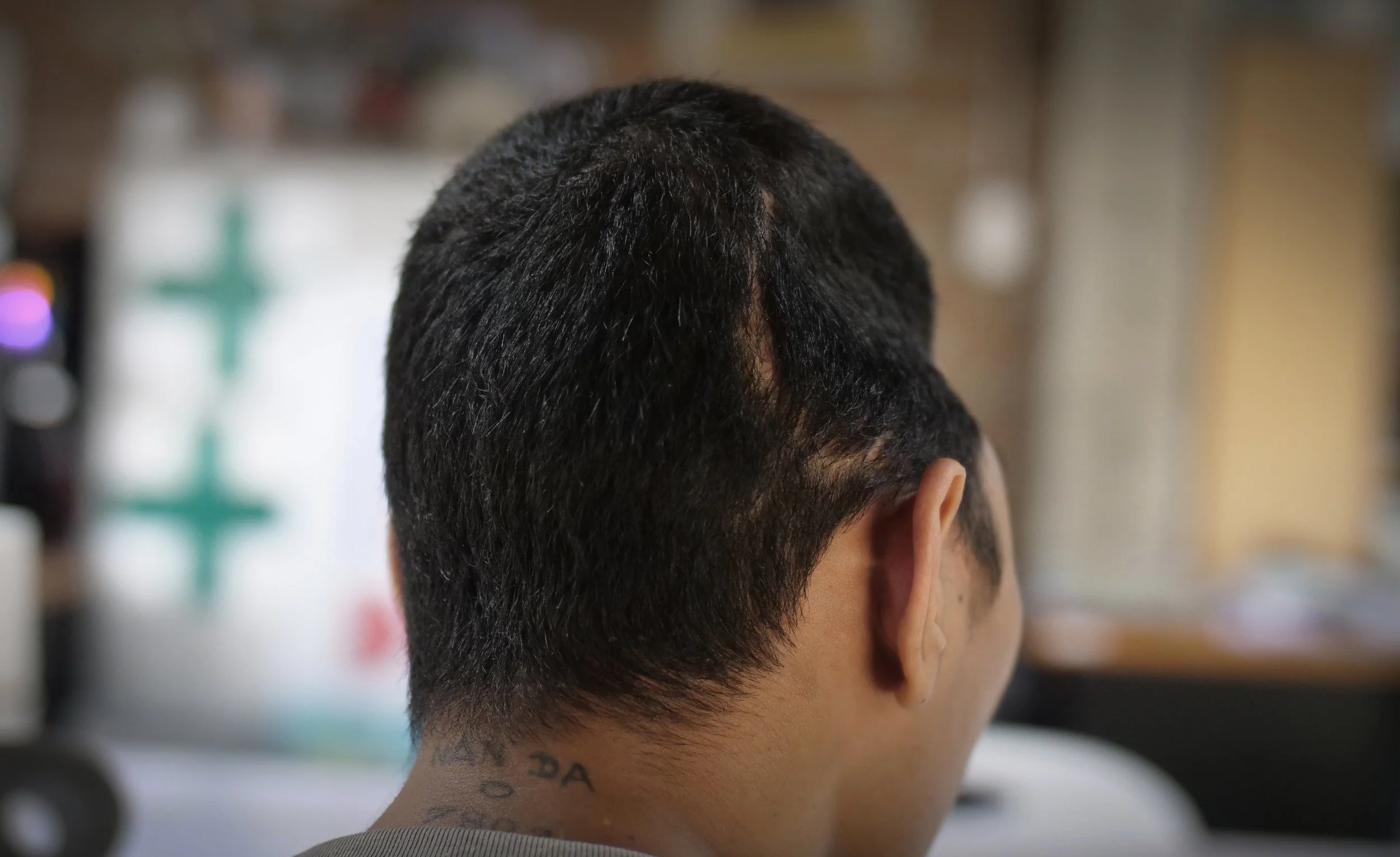
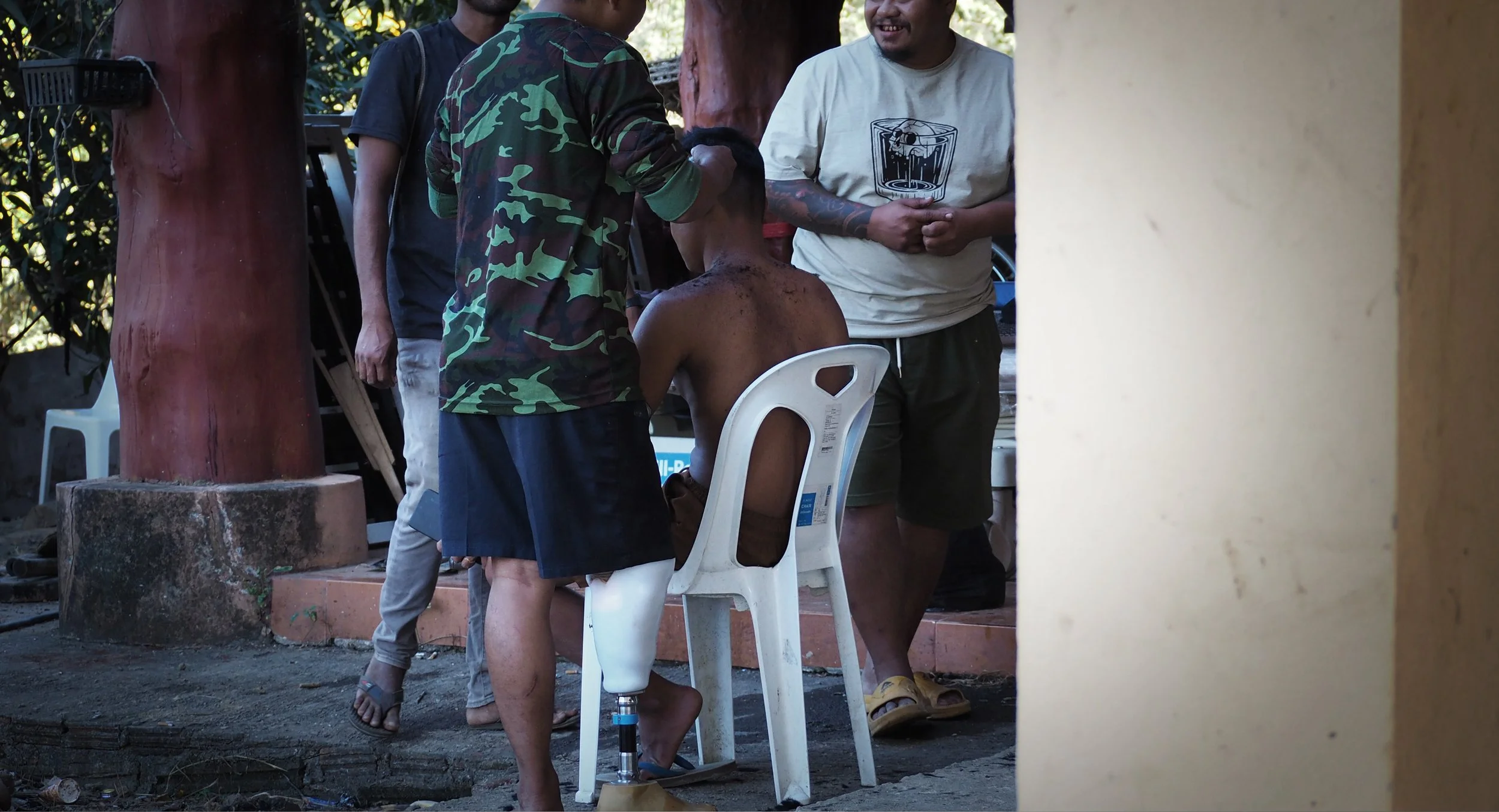
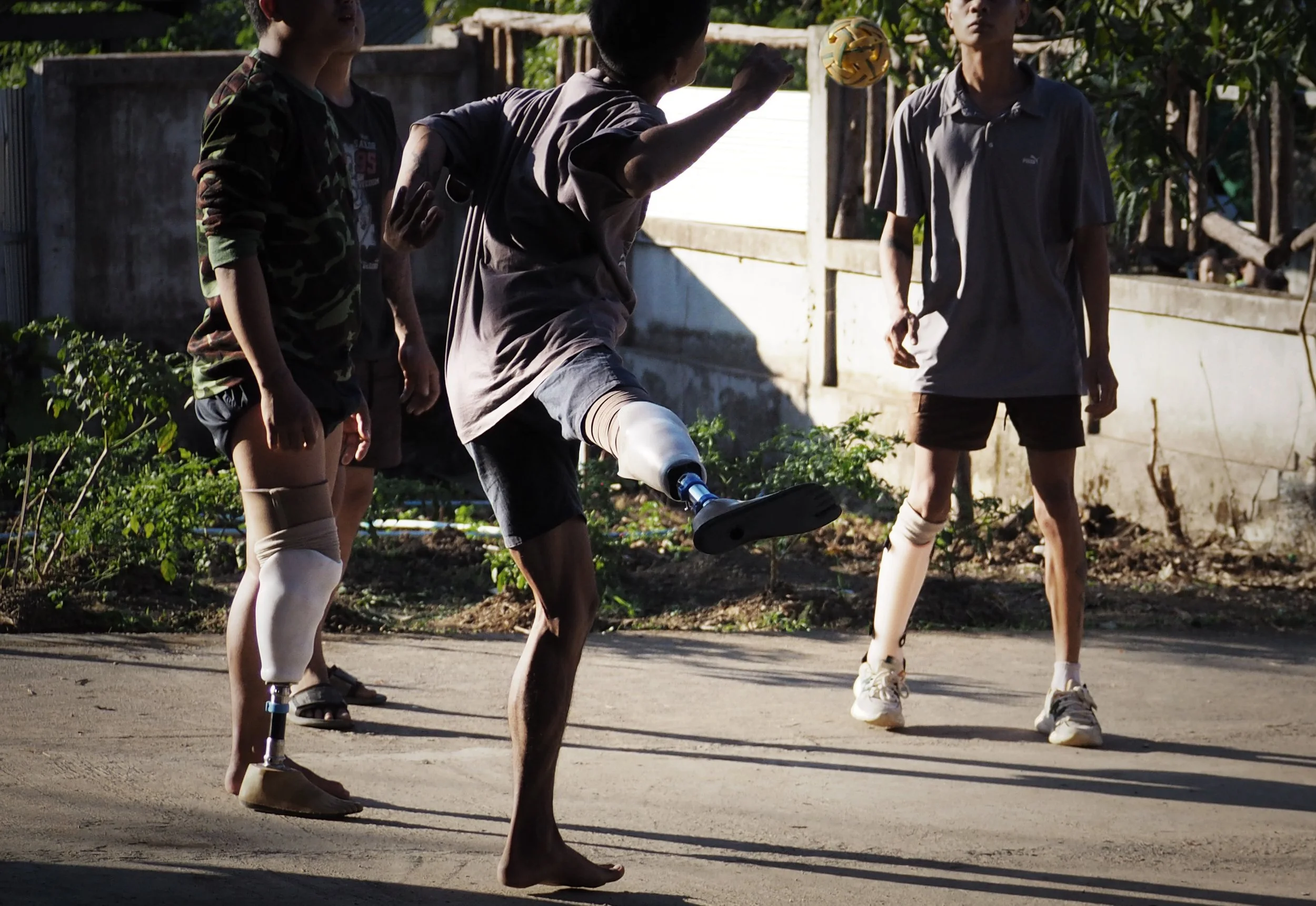
At the door, a one-armed man laughs with friends while waiting for a homemade haircut. In the courtyard, a group of boys play chinlone, Myanmar’s traditional sport, in which players stand in a circle and keep a handwoven rattan ball aloft using only their feet, knees, and heads.
They move with effortless skill, passing the ball between them in quick, fluid motions.
Then I notice the prosthetics.
Each player is missing at least one limb.
Some have lost arms. Others legs. A few both.
Several of the boys look barely older than thirteen.
A young man with a broad smile rolls his wheelchair beside me, eager to talk.
He introduces himself as Tun Soe*.
The 27-year-old had been in his second year of a law degree when the 2021 coup shattered Myanmar’s fragile democratic transition.
At first, he tried to continue studying. During the upheaval that followed the coup, he found work in a government land-surveying office.
Tun admits this with some hesitation. “I knew the situation,” he says. “I knew the problems.”
For more than a year, he wrestled with a difficult choice: remain in government work to support his family and preserve his chance of finishing university, or join the growing resistance movement. His story reflects a complicated reality inside Myanmar.
Many civilians living under military rule despise the regime but have little choice but to continue working within systems now controlled by the junta. Survival requires income — and avoiding suspicion. The military has jailed thousands of people for supporting the resistance, sometimes for little more than sharing a social media post.
“I fight for democracy,” Tun tells me. “I fight for my people. I fight because the military is evil.”
In early 2022, Tun quietly supported the resistance while still working his government job, maintaining contact with friends involved in the Civil Disobedience Movement. It was a dangerous risk. Since the coup, more than 30,000 people have been detained across Myanmar. Around 22,000 remain imprisoned as political prisoners. Eventually, a colleague reported him. One morning, Tun received a phone call from a friend at work. “Have you left for the office yet?” the friend asked. Tun told him he was about to. “Don’t,” the friend replied. “They’re on their way for you now.” Within minutes, Tun fled. Ten minutes later, the military raided his home.
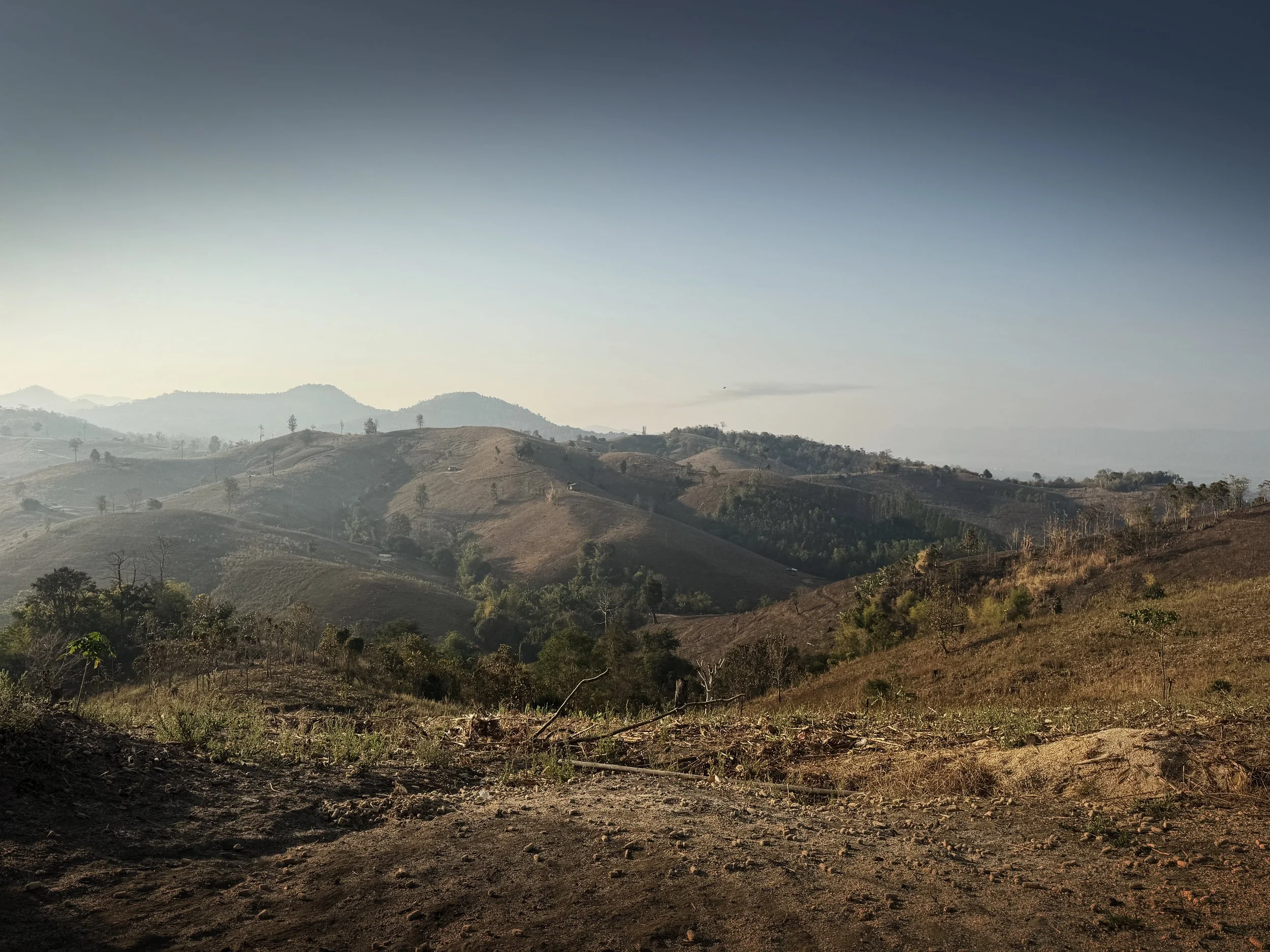
He escaped to Mon State and joined a People’s Defence Force unit. After receiving military training, he was eventually deployed to the frontline in Hpapun, Karen State — an area of heavy fighting between ethnic revolutionary forces and Myanmar’s military.
Hpapun sits within territory controlled by the Karen National Union and its armed wing, the Karen National Liberation Army. The region has long been a centre of resistance against the military government.
Tun was eventually placed in charge of a small post, coordinating operations and organising his team. On May 16, 2025, he was tasked with making contact with another unit ahead of a planned battle. But the route was difficult, and many of the soldiers under his command were inexperienced. “They kept asking me, ‘How do we get there? What should we do?’” he recalls.
Tun decided to go ahead with four more experienced fighters himself. As they moved through the terrain, he heard the sound of incoming mortars. One exploded beside them. “I felt a massive blow to my head,” he says. He looked down. His left arm was gone.
Tun was rushed to a frontline clinic and then transferred to Hpapun Hospital. He fell into a coma that lasted three weeks. Doctors believed he would not survive. His family and comrades had already prepared his funeral. “They had dug the grave,” he tells me. “And then I woke up.”
Today, Tun lives with the consequences of that explosion. Nearly thirty per cent of his skull is missing. His left arm is gone. He is slowly relearning basic skills — walking, reading, writing. For months, he struggled to remember his own name or recognise everyday objects. Yet when he speaks, he does so with surprising warmth. He smiles often. He laughs easily. When I ask about his future, he pauses. One day, he says, he hopes to return to university and finish his law degree. But for now, his focus remains on the struggle that changed his life. “Because that is the only way a revolution can be won.”
Across the courtyard, the boys continue their game of chinlone, sending the rattan ball arcing through the air. They move with balance and precision, adapting their bodies to injuries they never expected to carry. Resilience here is not a choice. It is simply the only way forward.
*Names have been changed.
Story and Photos Evie Jones.